
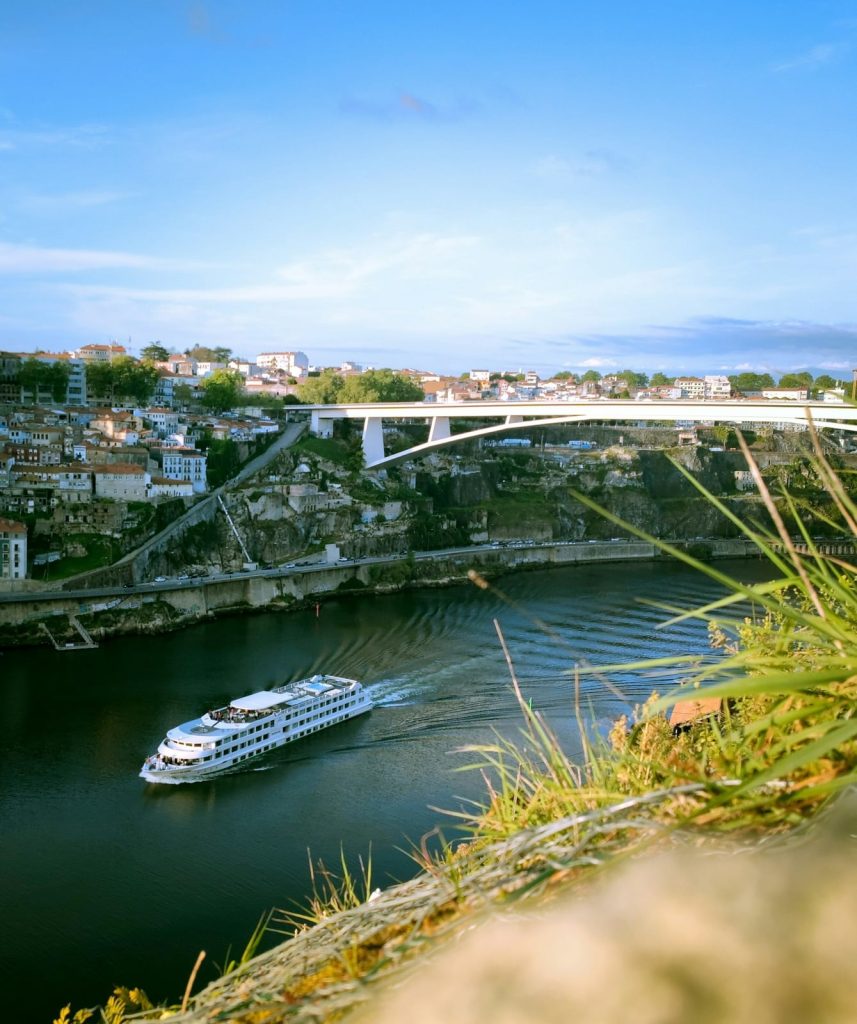
If you are weighing AmaWaterways against Viking, you are already in good company. Both are respected names in the luxury river cruise world, and both sail Europe’s best-known rivers. That is why the brochures can start to blur together. The better question is not which line is best, but which one fits the way you like to travel.
We are a Minneapolis agency, CLIA-certified and IATA-accredited, and this is the order we suggest working through it in. Think of it as the notes a friend would pass along after doing the homework.
Start with the river and the month, not the cruise line
Most people begin with the brand. We would begin with the route. The Rhine, the Danube and the Moselle each have a different rhythm. Some itineraries are heavy on castles and small villages. Others are built around big cities like Budapest, Vienna and Amsterdam.
Once you know the route, the time of year narrows the choice further. A late-autumn sailing is a different trip from one in early summer. If you are drawn to Christmas markets, that is a timing question first. River levels also change with the seasons, and they affect how smoothly a schedule runs. We will talk through that below.
Only then compare the two lines on that specific sailing. A line that suits you on the Danube may not be your first pick on the Rhine, and the ships, dates and prices vary by departure.
Five questions that separate AmaWaterways and Viking
Rather than trusting a general reputation, put the same five questions to each line for the exact sailing you are considering. Ask us to line the answers up side by side.
- How many guests are on this ship? River ships are small compared with ocean ships, but the count still differs from ship to ship. It shapes how busy the dining room, the lounge and the gangway feel.
- What is included? Ask about shore excursions, drinks with meals, Wi-Fi and gratuities. Inclusions change, so confirm them for your departure date rather than relying on last year’s brochure.
- What does the stateroom actually look like? Ask for the floor plan. Some staterooms have a full balcony, some a window that opens, and some a French balcony. The names sound alike, but the experience is not the same.
- How active are the excursions? Many river itineraries offer a choice of pace, from a slower walk with fewer cobblestones to a longer, more active outing. Find out whether that choice is offered on your sailing.
- What is the feel in the evening? Look at the dining options, the lounge and the entertainment. Some travelers want a quiet table and a good book. Others want company and conversation. Both are reasonable.
Choosing a stateroom and deck that suit you
On a river ship, the stateroom matters more than many first-timers expect, because you will spend real time in it while the scenery passes. A few points are worth settling before you book:
- Upper deck or lower deck. Higher decks usually cost more. Ask what you gain in light and outlook, and whether the lowest-deck staterooms have windows that open.
- Distance from the lounge and the engine. A stateroom near a lively bar or at the stern is a different experience from one mid-ship. Ask where public spaces sit on the deck plan.
- Docking practice. In busy ports, river ships often tie up side by side, and you may walk through another ship’s lobby to reach shore. That can also affect what you see from your window or balcony. We cannot promise a specific view, but we can tell you what to ask.
- Mobility and stairs. Ask whether the ship has an elevator and which decks it reaches. Not every river ship is the same on this point.
Getting there, and what happens when plans change
The cruise is only part of the trip. Most of our Twin Cities travelers fly from Minneapolis–Saint Paul International Airport (MSP) to Europe, often with a connection, and then transfer to the ship. Two habits make a difference.
First, arrive a day early if you can. A river itinerary will not wait for a delayed flight, and a night in the embarkation city gives you a rested start.
Second, check the connection before you book the flight. This is a standard step for us: we check your connection time before you book, so a tight layover does not become a missed embarkation. Our Mission Control team stress-tests the connections and documents backup plans before you leave, then monitors your trip around the clock while you are away.
That support matters on rivers in particular. High or low water can change a schedule. Sometimes guests are moved between ships or take a coach for part of the route. It does not happen on every sailing, but it is a real possibility, and it is good to have a plan ready if it does.
A simple way to decide, and how we can help
Here is the short version we give friends:
- Choose the river, the month and the length of the trip first.
- Ask both lines the same five questions for the same departure.
- Look at the actual stateroom floor plan, not the category name.
- Decide how much you want planned for you and how much free time you want.
- Check your flights from MSP before you commit to the sailing.
If two sailings still look close, we are happy to compare them for you, including current inclusions, stateroom options and the flight plan. You travel on your own, but you are never alone.


